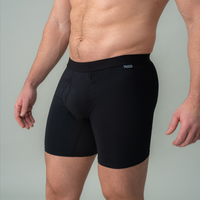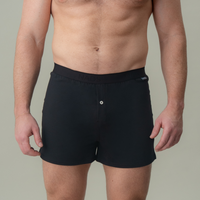


Key Takeaways:
- Certified Organic Cotton: Breathable & Safe By Design: Certified organic cotton provides breathable, hypoallergenic support, reducing exposure to harsh chemicals and potential hormone disruptors in toxic synthetic nylon underwear.
- The Hidden Dangers Of Nylon-Based Underwear: Nylon-based underwear, laden with microplastics and toxic dyes, may lead to skin irritation, hormonal imbalances, and reproductive health issues, whereas cotton offers a healthier alternative.
- Long-Term Comfort Without Compromise: Upgrading to certified organic cotton underwear ensures comfort, durability, and protection for your most sensitive areas without compromising on flexibility or natural breathability
At NADS, we outpace your expectations with certified organic cotton, BPA-free elastane, and a zero-tolerance policy for harsh chemicals. Backed by wellness pros, athletes, and over 250,000 loyal wearers, we lead the comfort, health, and performance movement from the ground up.
What you wear down there is a health decision. Nylon underwear may look sleek, but its toxic synthetic makeup and heat-trapping tendencies can come at a cost. Cotton, especially certified organic cotton, offers a breathable, skin-safe upgrade that respects your biology. Curious what’s really rubbing against your skin every day? There’s more to this material battle than you could ever imagine.
In this blog, we will explore how nylon underwear compares to cotton in terms of breathability, skin health, hormone safety, and long-term comfort, so you can choose what you wear closest to your body.
What You Need To Know Before Choosing Nylon Or Cotton Underwear
Not all underwear is created equal, especially when you’re stacking up toxic synthetic options like nylon against certified organic cotton. If you want Better-for-Balls Underwear, you need to look past the marketing fluff and the facts, literally and anatomically.
- Breathability: Cotton, especially certified organic cotton, is a clear winner. It lets heat and moisture pass through, keeping you comfortable no matter how intense your gym grind or daily routine gets. In contrast, entirely synthetic underwear like nylon traps sweat and heat, building the perfect microclimate for bacteria and that legendary swampy discomfort.
- Chemical Exposure: Nylon could mean harsh chemical baggage. You’re looking at microplastics, BPA, phthalates, perfluorochemicals (PFCs), and more. Many of these substances can potentially leach out with heat and friction, skating dangerously close to your most sensitive regions. Cotton, when it's certified organic, ditches the harsh dyes, pesticides, and other hormonal disruptors for a skin-safe experience.
- Skin Sensitivity: If you dislike your balls, or your skin in general, by all means, stick to conventional materials. For the rest of us, it’s a no-brainer: certified organic cotton is hypoallergenic and gentle. Nylon and other toxic materials are known to cause irritation, rashes, and flare-ups, especially if you have allergies or sensitive skin.
- Odor: Entirely synthetic underwear is notorious for trapping odors. Bacteria feed on trapped moisture, producing funky scents that linger too long. Certified organic cotton, on the other hand, lets things breathe, giving you a fighting chance at all-day freshness.
- Durability & Use: Nylon can last, sure, but usually at the expense of your health. Certified Organic cotton underwear, especially when blended with BPA-free elastane, delivers stretch and resilience without the harsh chemical cocktail.
Cutting through the noise: if you care about reproductive health, skin safety, and long-term comfort, the differences between nylon and cotton underwear are dealbreakers.

Myths About Cotton Underwear You Need To Forget About
Still hanging onto outdated myths about cotton underwear? Time to let them die a noble, hygienic death.
Let’s break down what’s actually real, because your balls deserve better:
Myth #1: Cotton Isn’t Breathable Enough
Wrong. Certified organic cotton is the champion of breathability. If you’re picturing a soggy, 1970s tube sock situation, think again; high-quality cotton lets moisture pass through and keeps you comfortable, even mid-squat or mid-sprint. Unlike entirely synthetic undies that lock in sweat and heat, cotton won’t turn your family jewels into a science project.
Myth #2: Cotton Causes Chafing
Put down the talc. Chafing isn’t a “cotton problem”; it’s a poorly made underwear problem. Certified organic cotton moves as you move. So, unless you’re running a marathon in dollar-store tighty-whities, it isn’t cotton’s fault your thighs are on fire.
Myth #3: Cotton Isn’t Durable
The rumor mill wants you to believe that cotton wears out after a few washes, but that’s classic fake news. Toxic, conventional fibers might keep pumping out microplastics year after year, but premium, dense-weave cotton built for athletic punishment gives you real staying power, minus the environmental and hormonal baggage.
Myth #4: Cotton Isn’t As “High-Tech” As Synthetics
Here’s a reality check: “High-tech” in the underwear aisle often means “doused in harsh chemical finishes and made with microplastic-riddled fabric.” Cotton doesn’t need fancy marketing or mystery chemicals to pull its weight. If you care about what’s brushing up against your skin (and you should), certified organic cotton is as advanced as technology gets for better-for-balls underwear.
Skin Sensitivity: Hypoallergenic Promise Of Certified Organic Cotton
You're not alone if your skin throws a tantrum whenever you slip into a fresh pair of underwear. Between endless harsh chemical finishes and sketchy fabrics, most mainstream underwear is a minefield for guys who care about more than just looks down there. And if you’ve ever wondered why your balls feel like they just went ten rounds with an angry cactus, here’s your answer: those toxic blends are often marinated in dyes, bleaches, and microplastics that can make your nether regions itchier than a wool sweater in July.
Why Certified Organic Cotton Treats Skin Right
Certified organic cotton doesn’t play those games. No pesticide residues, no harsh chemical softeners, and no weird coatings. Natural cotton fibers are inherently hypoallergenic, designed to treat your skin like royalty, not like a testing site for the harsh chemical industry’s latest experiments.
The Upgrade: Comfort, Breathability, And Stretch Without The Toxins
If you want Better-for-Balls Underwear, certified organic cotton is your golden ticket. Add a touch of BPA-free elastane for a bit of stretch, and you get fabric that breathes, keeps moisture moving through, and dials down the risk of rashes, breakouts, or random irritation.
What You Wear Is Either Helping Or Hurting Your Skin
If you dislike your balls or don’t care what you’re exposing your sensitive skin to, conventional underwear is waiting. But if you actually care, try hypoallergenic, certified organic cotton boxers and leave irritation and itching right where they belong: in the past.

Where Can You Find GOTS Certified Cotton Underwear That Lasts?
If you’re looking for underwear that’s actually doing your balls a favor, you want the real deal: GOTS-certified organic cotton. Anyone can slap “organic” on the packaging, but the Global Organic Textile Standard (GOTS) is the certification that separates Better-for-Balls Underwear from the panic-inducing toxic synthetic blends crowding the shelf.
How Brands Use “Organic” Without Playing Fair
Most brands whisper about “organic” and then lace their products with microplastics and phthalates. You deserve better. Start by scanning for GOTS certification: it’s the gold standard for organic cotton, guaranteeing you’re not secretly hugging your privates in pesticide residues, formaldehyde, or other losers on the fertility hit list.
What To Watch For When Shopping Smart
Don’t fall for big-box brands tossing around green-washed BS. Dig into materials lists, look beyond slick photos, and demand third-party verification, not a bunch of buzzwords plastered over a toxic synthetic blend., It’s time you start shopping like you care what goes next to your skin.
How Does Fabric Choice Affect Reproductive Health & Hormones?
What you put down there can absolutely mess with your reproductive health. Conventional underwear, especially the stuff loaded with harsh chemical dyes, microplastics, and pesticides, is a sabotage mission against your hormones.
Heat, Sweat, And The Breeding Ground No One Asked For
Toxic synthetic fabrics like nylon and polyester trap heat and sweat and create a petri dish for bacteria. That stuff is like a sauna for your balls, setting off irritation, chafing, and potentially more serious business. Nobody wants “Swamp Crotch Syndrome.”
The Hidden Hormone Disruptors Lurking In Toxic Fabrics
Even worse? The harsh chemicals baked in during production, BPA, phthalates, perfluorochemicals, you name it, have been flagged in scientific studies for hormone disruption and fertility issues. These culprits can leach out of the fabric and sneak into your bloodstream via skin contact, potentially tanking testosterone and generally wreaking havoc on your hormonal balance.
Why Certified Organic Cotton Is A Smarter Choice
Certified organic cotton, on the other hand, flips that script. Free from harsh chemicals and mystery compounds, it’s hypoallergenic and allows moisture to pass through so you’re not stewing in your own sweat. It won’t smother your junk or lace it with hormone-interfering toxins. That means less risk of itchy, irritated skin and less chance of harsh chemical exposure coming between you and your next generation.

Final Thoughts
Regarding the nylon vs cotton underwear debate, there’s really no contest if you care about what’s going on south of your waistband. You can keep rolling the dice with toxic, conventional underwear, dooming your balls to a harsh chemical cocktail of phthalates, microplastics, and unnamed perils. Or you can get smart, get serious, and grab the Better-for-Balls Underwear: certified organic cotton that’s as breathable and hypoallergenic as it gets.
At NADS, we use only certified organic cotton and BPA-free elastane. No harsh chemicals, no toxic dyes, no pesticide residues, nada. Sweat it out in the gym, push through workdays, or just lounge hard; moisture passes through, keeping you comfortable, cool, and in control.
Make the switch. Your balls (and future generations) will thank you.
Read also:
- The Rise of Organic Cotton
- Is Cotton Toxic? Pesticides Are Seriously Bad News...Here's Why
- The Bottom Line: Organic Cotton is King
Frequently Asked Questions About Nylon Underwear Vs Cotton
What are the main differences between nylon and cotton underwear?
Nylon underwear is made from entirely synthetic, oil-based material, while cotton underwear, if you’re choosing wisely, is certified organic cotton without toxic synthetic dyes or harsh chemical residues, which come from nature. Nylon brings stretch, speed-drying, and toxic synthetics and microplastics against your skin. Cotton, especially the certified organic kind, is all about natural breathability, comfort, and freedom from harsh chemicals.
Which fabric is more breathable, nylon or cotton?
There’s no contest: certified organic cotton wins. Moisture passes through, air circulates, and your balls stay comfortable, instead of getting slow-cooked in a toxic synthetic sweat lodge. That’s just science (and common sense).
Is nylon underwear good for sensitive skin?
Nylon can bring a cocktail of harsh chemicals, microplastics, and residues straight to your most sensitive zone. If you’ve ever had itching, redness, or rashes down there, it might be time to evict nylon from your underwear drawer forever.
Does cotton underwear absorb moisture better than nylon?
Absolutely. Cotton is naturally absorbent, especially the certified organic cotton NADS uses, so it soaks up what needs to be soaked up, keeping you feeling fresh. Nylon, meanwhile, isn’t about absorption; it traps sweat and heat, and can get swampy fast. Don’t be that guy.
Which fabric dries faster, nylon or cotton?
Nylon will dry a bit faster since it hardly absorbs moisture, but you pay the price in comfort and health: trapped heat, lingering sweat, and exposure to all sorts of harsh chemicals. Cotton takes a little longer but keeps things breathable, comfortable, and harsh chemical-free.
Is nylon underwear more durable than cotton?
If you ignore the potential health problems, nylon might outlast cotton. But NADS certified organic cotton is designed for everyday wear and tear, training, and lounging, minus the microplastics, harsh toxins, and harsh chemical breakdowns. We’ll take safe and sturdy over toxic and eternal any day.
Can nylon underwear cause irritation?
Yes. Toxic fabric plus harsh chemical residues equals a high chance for irritation, itching, and allergic blowups, especially if you’re active or have sensitive skin. Why risk it? Go for better-for-balls underwear made with certified organic cotton.
Is cotton underwear hypoallergenic?
If they’re made with certified organic cotton and skip all the nasty toxic dyes, bleaches, and finishers, then yes, they’re basically the gold standard for hypoallergenic skivvies. That’s exactly what we’re going for at NADS. Protect your skin, hormones, and the family jewels with the safest, cleanest cotton around.
Sources:
- Shafik, A. “Effect of Different Types of Textile Fabric on Spermatogenesis: An Experimental Study.” Urological Research, vol. 21, no. 5, 1993, pp. 367–370. DOI: 10.1007/BF00296839. PubMed, PMID 8279095.
- “Yale Experts Explain PFAS ‘Forever Chemicals.’” Yale Sustainability, Yale University, 20 May 2025, sustainability.yale.edu/explainers/yale-experts-explain-pfas-forever-chemicals.
- Takahashi, Masashi. “Heat Stress on Reproductive Function and Fertility in Mammals.” Reproductive Medicine and Biology, vol. 11, no. 1, 2012, pp. 37–47. Reproductive Medicine and Biology, https://pmc.ncbi.nlm.nih.gov/articles/PMC5904646/.
- D’Angelo, Stefania, and Rosaria Meccariello. “Microplastics: A Threat for Male Fertility.” International Journal of Environmental Research and Public Health, vol. 18, no. 5, 1 Mar. 2021, article 2392, https://doi.org/10.3390/ijerph18052392.