




Key Takeaways:
- Hidden Harsh Chemical Risks In Polyester Underwear: Polyester underwear may contain chemical residues like azo dyes, phthalates, and BPA that may disrupt hormones and potentially impact fertility.
- Certified Organic Cotton Prioritizes Skin & Comfort: Certified organic cotton offers breathable comfort and hypoallergenic properties, making it a safer choice for sensitive skin and long-term health.
- A Cleaner Choice For Reproductive Health: Choosing certified organic cotton over polyester can reduce exposure to microplastics and may help reduce the risk of skin irritation, ensuring better reproductive health care.
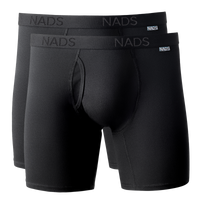
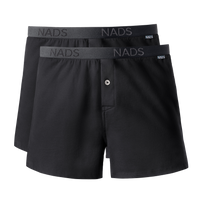
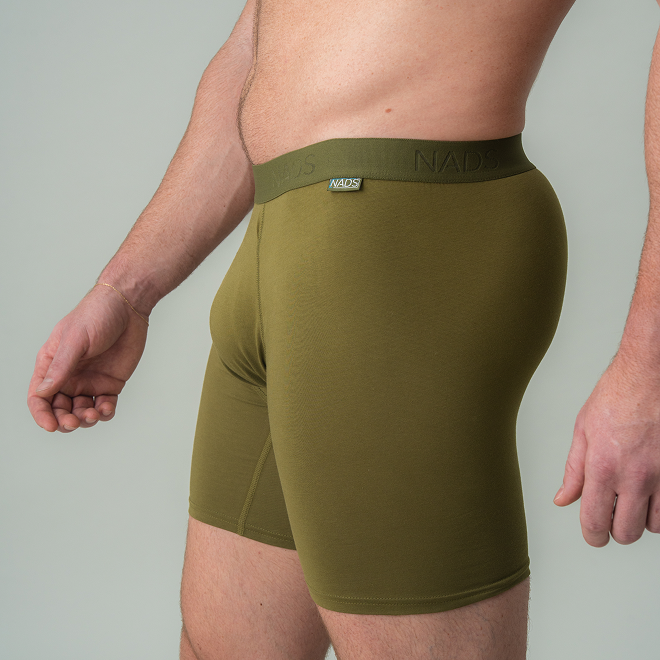
At NADS, with certified organic cotton and zero tolerance for harsh chemicals, every product is designed to protect what matters most. Backed by health experts and trusted by over 250,000 men, we are here to raise the standard and your comfort with breathable, skin-safe underwear that holds up under pressure.
Not all fabrics play fair, especially regarding what touches your skin all day. Polyester might be common, but comfort and long-term health may be compromised with toxic synthetic fabrics. Cotton, specifically certified organic cotton, brings breathability, softness, and a harsh chemical-free experience that actually respects your biology. Think you know which one’s better? It’s not just about price tags or labels. There’s more to the story than most brands want to admit.
In this blog, we will explore how cotton and polyester underwear differ in comfort, breathability, and safety, helping you understand which fabric actually supports your skin, hormones, and long-term health.
Why Does Fabric Choice Matter For Men’s Underwear?
Your underwear is ground zero for, well, your nads. And if you’re still tossing on whatever three-pack was on sale, it’s time to raise your standards. The fabric hugging your most prized possessions can either be a five-star spa day for your skin and hormones, or a daily dose of irritation, swampy discomfort, and silent chemical exposure you’ll never see coming.
Comfort Starts With The Right Fabric
Certified organic cotton? It’s soft, cool, and breathable in a way that keeps moisture moving out instead of locking it in. Your boys stay dry and aired out, even when you’re sprinting, squatting, or sitting through another endless Zoom call. On the flip side, entirely synthetic options, like toxic polyester blends, basically put your groin in a plastic bag, warm, sweaty, and begging for mercy. Sounds delightful, right?
Conventional Synthetic Fabric Brings More Than Just Sweat
But here’s where things get real: the health stakes. Those “mainstream” synthetic cousins are hotbeds for harsh chemicals, microplastics, and all the greatest hits: formaldehyde, PFAs, phthalates, azo dyes, BPA, you name it. These nasties can mess with your hormones, jack up the chances of irritation or rashes, and even have you questioning your future fertility. Why willingly marinate your most sensitive real estate in a toxin soup?
Your fabric choice is about long-term health. If you wouldn’t eat food loaded with harsh chemicals, why wrap the most absorbent skin on your body in them daily? Your boys deserve more than the bargain bin. Choose wisely.

Where Does Certified Organic Cotton Come Out Ahead?
When it comes to your most prized real estate, do you want entirely-synthetic plastics hugging your boys? Certified organic cotton already has the edge before the first stitch, no need for a periodic table of harsh chemicals, no worries over BPA, PFAs, or random four-syllable threats lurking in your underwear drawer.
Breathability That Doesn’t Quit Mid-Day
There’s the breathability factor. Certified organic cotton lets moisture pass straight through. No steamy greenhouse effect, no swamp, just comfortable airflow so you can hit the gym, the office, or the dance floor without the dreaded baked-potato syndrome. You know the feeling.
Comfort That Stays Quiet All Day Long
Comfort isn’t just about how soft something feels at 8 a.m.; it’s about how non-existent it feels at 8 p.m. No scratchy edges, plasticky clampdown, or weird rash that makes you Google "underwear allergies." Why? Because nothing in certified organic cotton is out to get you. It’s hypoallergenic by default, with no pesticides, harsh chemical dyes, or residues.
Safety That’s Backed By Science
Studies have linked the toxins in conventional, toxic synthetic fabrics to hormone disruption and irritated skin. Certified organic cotton is a security system for your family jewels; you get peace of mind knowing you’re not exposing things that matter (like future generations) to materials that didn’t pass the vibe check.
What Are The Long-Term Risks Of Wearing Polyester Down There?
The idea of shoving your prized possessions into fabric made from petroleum (aka polyester) all day, every day, might sound like a non-issue until you start digging into what that actually means for your OG boys.
- Toxic Synthetic Underwear Loves A Chemical Cocktail: Sure, “entirely synthetic” underwear might be cheap and stretchy, but so are rubber bands, and no one wants to wear those down there. Polyester is packed with harsh chemicals that have no business near your skin.
- Harsh Chemicals Are Closer Than You Think: Toxic conventional underwear is intimately familiar with azo dyes, phthalates, BPA, PFAs, and formaldehyde, chemicals known to mess with hormones, irritate skin, and potentially interfere with long-term reproductive health.
- Your Skin Absorbs More Than You Realize: These chemicals are toxic disruptors that can leach out of fabric during wear, sneak into your bloodstream via skin contact, and potentially tank testosterone or interfere with your hormonal balance.
- Microplastics Turn Your Undies Into Slow-Exposure Devices: Polyester sheds microplastics with every wear and wash. These tiny particles don’t stay in your laundry; they end up in contact with your most delicate areas, creating long-term exposure to plastic waste at the skin level.
- Your Underwear Shouldn’t Double As A Petri Dish: Polyester fabrics trap heat and moisture, turning your underwear into a sweaty, poorly ventilated space where bacteria and fungi thrive. It’s a breeding ground for irritation, odor, and all-day discomfort.
- Polyester Builds A Microclimate You Don’t Want: Trapped heat and poor breathability lead to rashes, chafing, and gnarly odors, especially during workouts or humid days. It is not exactly the environment in which your reproductive health thrives, is it?
- The Risks Build Over Time, Not Overnight: Wearing polyester undies regularly is like letting diesel exhaust waft into your bedroom every night. You might not feel it instantly, but your body might start waving a white flag over time.

Hidden Hormone Disruptors In Polyester Underwear
Most conventional polyester underwear is marinated in a stew of harsh chemicals, from azo dyes (found guilty of being potential carcinogens) to phthalates, PFAs, and the infamous BPA.
Hormones Don’t Stand A Chance Against These Chemicals
Those harsh chemicals can sneak through your dermal barrier and start clowning around with your body’s hormones. Phthalates and BPA in particular are notorious for disturbing testosterone. Worst of all, these intruders have been linked to fertility issues, hormone imbalances, and even trouble keeping things brewing in the bedroom.
When “Performance Fabric” Becomes A Health Risk
Many polyester blends are treated with formaldehyde, and residues from pesticide-laden crops can stay on your skin all day. If you plan to optimize your package for performance, maybe it’s time to get ruthless about what you wrap it in.
Polyester’s Comfort Claims Don’t Tell The Whole Story
Polyester underwear might promise everything short of world peace, but it rarely mentions the not-so-sexy hormone disruptors that come as standard issue. So next time you yank on a fresh pair, ask yourself: Am I giving my boys a fair shot, or am I just lining up for a daily dose of harsh chemical chaos?
Durability & Wear: Who Survives More Wash Cycles
You want underwear that lasts. So, do you side with the all-natural charm of certified organic cotton, or run with the so-called “tough guy” polyester?
Polyester Lasts, But At What Cost?
Polyester’s cheerleaders love to brag about its ruggedness. It can survive a nuclear apocalypse and probably double as a fishing line if you’re shipwrecked. Polyester is designed to resist warping, fading, and stretching, making it look the same after its 50th run through the laundry as it did the day you bought it. But they often come at the cost of comfort, breathability, and, you know, not exposing yourself to a cocktail of harsh chemicals every time you gear up.
Organic Cotton Brings Comfort And Staying Power
On the other hand, certified organic cotton is soft, light, and always looks out for your skin and your boys. Cotton fibers can break down slowly over years of washing, but unless you’re sandpapering your underwear or using industrial detergent spiked with battery acid, they’ll last just fine. Your key moves? Wash in cold water, avoid bleach, and skip the dryer when you can. Treat them right, and you can bet those soft, skin-friendly undies will handle life’s daily grind like champs, without turning into a biohazard.
Real Durability Means More Than Just Surviving
So, polyester may outlast a cockroach, but certified organic cotton offers the kind of durability you want. It gets comfier with age, stays easy on your skin, and never sneaks in any hidden toxins you have to Google.

Final Thoughts
When it comes to cotton vs polyester underwear, there’s only one real winner if you care about your bits. Polyester and other entirely synthetic undies promise a high-tech experience, but what do you get? A cocktail of harsh chemicals, plastics, and hormone-disrupting toxins up close and personal with the most sensitive real estate you own. Yikes.
At NADS, we’re not interested in gambling with your health, comfort, or future kids just to shave a few seconds off your laundry time. Certified organic cotton is breathable, lets moisture pass through effortlessly, and gives your boys the hypoallergenic, soft, non-toxic home they deserve. No harsh chemical soup, phthalates, or BPA lurking in the fibers; just the pure, uncomplicated touch of Mother Nature’s best, blended only with a tiny splash of BPA-free elastane for fit.
Treat your balls right. Go certified organic cotton with NADS. Comfort, safety, and peace of mind are just a pair away.
Read also:
- What's the deal with polyester? We're glad you asked.
- Will Organic Cotton Save the Developing World?
- Polyester as Male Contraceptive?
Frequently Asked Questions About Cotton vs Polyester Underwear
What are the main differences between cotton and polyester underwear?
Cotton is a natural, breathable hero while polyester is the poster child of entirely synthetic, toxic underwear. Our certified organic cotton at NADS is gentle, hypoallergenic, and free from those harsh chemicals plaguing mainstream brands. Polyester, on the other hand? Think microplastics, BPA, and industrial-grade science projects you don’t want near your downstairs MVPs.
Which material is more breathable for underwear, cotton or polyester?
Easy one: certified organic cotton all the way. Our NADS undies let moisture pass through, keeping you cool and comfortable even when sweating bullets at hot yoga or sprinting for your train. Polyester? It’s like wrapping your boys in plastic wrap. Not the vibe.
Is cotton underwear better for sensitive skin?
Absolutely. Certified organic cotton is like that gentle friend who never lets you down, soft, hypoallergenic, and non-irritating. Toxic polyester? It loves a good skin flare-up, and don’t get us started on all the harsh chemicals lurking in those fibers. No thanks.
Does polyester underwear cause more sweating than cotton?
You bet. With polyester smuggling in a bunch of heat-trapping plastics, your nether regions turn into a greenhouse faster than you can say “swamp crotch.” NADS certified organic cotton keeps things breezy and sweat at bay.
How does moisture-wicking compare between cotton and polyester?
Let’s be clear: “moisture-wicking” is a fancy way of saying “your sweat’s got nowhere to go but into the plastic.” Cotton, especially the good stuff like ours, lets moisture pass through naturally, so you stay comfy. Polyester traps it, and your comfort pays the price.
Which fabric dries faster, cotton or polyester?
Polyester dries faster, we’ll give it that. But at what cost? You’re marinating in harsh chemicals and microplastics. We’ll take a bit of extra air drying to keep our hormones and fertility in check, thank you very much.
Are there differences in odor control between cotton and polyester underwear?
Big time. Entirely synthetic underwear is like a five-star hotel for odor-causing bacteria—they thrive on those plastic fibers. Certified organic cotton keeps things naturally fresher. Less stink, less laundry shame, more “damn, I smell good.”
Which material is more comfortable for everyday wear?
Certified organic cotton wears like a cloud and comes with peace of mind (no itchy, weird rashes or mystery exposures). Polyester is scratchy, sweaty, and one step away from wrapping your groin in a garbage bag. Life’s too short for uncomfortable undies. Better-for-Balls Underwear wins every time; choose NADS.
Sources:
- Presunto, Mafalda, Melissa Mariana, Margarida Lorigo, and Elisa Cairrão. “The Effects of Bisphenol A on Human Male Infertility: A Review of Current Epidemiological Studies.” International Journal of Molecular Sciences, vol. 24, no. 15, 2023, article 12417, https://doi.org/10.3390/ijms241512417.
- Chang, Wei Hsiang, et al. “Phthalates Might Interfere with Testicular Function by Reducing Testosterone and Insulin-Like Factor 3 Levels.” Human Reproduction, vol. 30, no. 11, May 2015, pp. 2658–2670. PubMed, https://doi.org/10.1093/humrep/dev225.